The History of Pizza: From Naples to New York
Before pizza was a global obsession, it was a simple flatbread sold by the slice on the streets of Naples - eaten with your hands, folded in half, standing up. How did it travel from a poor man’s street food in the 1700s to a New York institution in three centuries? The story is full of royalty, immigrants and one very famous queen.
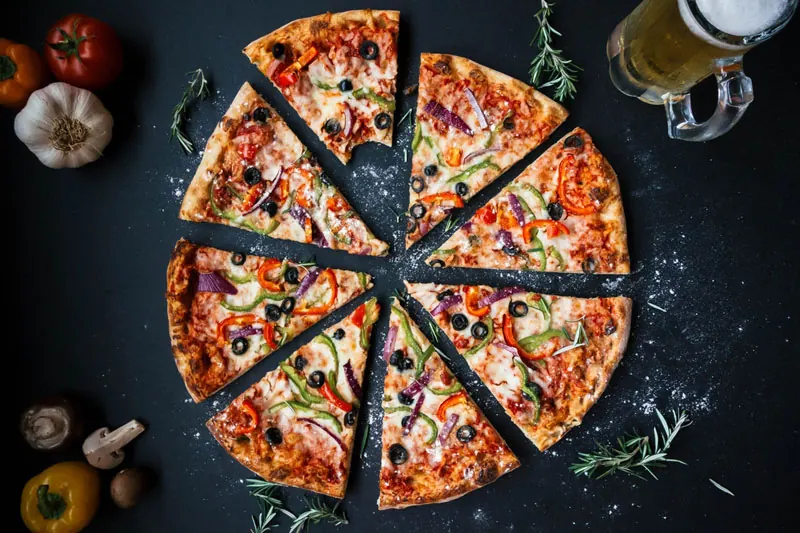
Naples: The Flatbread Capital
Tomatoes arrived in Europe from the Americas in the 1500s, but it took two centuries for Neapolitans to trust them - they were believed to be poisonous. By the 1700s, bakers had started topping their plain flatbreads with tomato sauce, cheap cheese and oil to feed the city’s growing working class. The pizzaiolo became a real profession, and pizza became Naples’ most famous street food.
The Queen and the Margherita
The legend goes that in 1889, Queen Margherita of Savoy asked to taste the local speciality during a visit to Naples. A pizzaiolo named Raffaele Esposito made her a pie topped with tomatoes, mozzarella and basil - the colours of the Italian flag - and the queen loved it. Whether or not the story is exactly true, it is the moment pizza got its most famous name and its first royal endorsement.

The Crossing to America
In the late 1800s, millions of Italians emigrated to the United States. They brought their recipes - and their ovens. The first pizzerias in America opened in New York’s Little Italy and the Italian neighbourhoods of other eastern cities, serving the same Neapolitan pies to Italian communities. For decades, pizza stayed an immigrant food, unknown to most Americans.
After the War: The Boom
World War II changed everything. American soldiers stationed in Italy discovered pizza and returned home demanding it. Pizzerias spread across the country in the 1950s, and each city began to develop its own style - the foldable thin slices of New York, the deep-dish of Chicago, the bar pies of New England. What started as one city’s street food became a national cuisine with infinite local dialects.
Back to the Source
In 2017, UNESCO added Neapolitan pizza-making to its list of intangible cultural heritage - the first food craft in the world to earn the honour. And here at Pizza House, we like to think of our oven as a direct line to those original street-side ovens in Naples: the same dough, the same heat, the same ninety-second bake. History, it turns out, is delicious.
Giuseppe Bianchi
Giuseppe has shaped over a million pizzas and still hand-checks every dough batch at sunrise. He collects antique pizza peelers.
Oliver Grant
Fascinating! I had no idea pizza was a poor man's food in Naples.
Reply
Giuseppe Bianchi
True! And the Margherita story with Queen Margherita is our favourite piece of lore.
Reply
Isabella Romano
As a Neapolitan, I approve this history lesson. Buon lavoro!
Reply
Michael Torres
The part about Italian immigrants in Little Italy explains so much about NY pizza.
Reply
Sarah Kim
Now do a post about the great Chicago vs NY debate. I want to see the comments section burn.
Reply
Daniel Fox
Great read for the history nerd in me. Keep these coming!
Reply
Mia Johansson
Visiting Naples next month - now I know exactly what to look for. Thank you!
Reply
Ryan O'Connor
Love that you tied it back to your own oven at the end. Marketing done right.
Reply
Elena Rossi
My nonna would approve of this post. Grazie mille!
Reply